
For many women, menopause brings a wave of changes—some expected, some less talked about. One of the most important (and often overlooked) shifts happens in your bones and muscles. In fact, the fastest rate of bone and muscle loss in a woman’s life occurs during peri‑menopause and the early post‑menopausal years. Exercise in the phase of menopause can help reduce the impact of these changes.
As physical therapists, we’re often asked:
“What kind of exercise should I be doing to protect my bones and muscles during menopause?”
A recent systematic review took a deep dive into this very question. Here’s what the researchers found—and what it means for your health.
Why This Matters
Bone mineral density (BMD) and lean muscle mass naturally decline with age, but the menopause transition accelerates this process due to hormonal changes—especially the drop in estrogen. Lower BMD increases fracture risk, while loss of muscle mass affects strength, balance, and overall mobility.
Exercise is one of the most powerful tools we have to counteract these changes. But surprisingly, most clinical trials have not included peri‑menopausal or early post‑menopausal women. This review aimed to fill that gap.
What the Researchers Looked At
The review analyzed randomized controlled trials involving:
- Women ages 45–60
- Peri‑menopausal or early post‑menopausal participants
- Exercise interventions that measured bone mineral density or lean muscle mass
Only six studies met the criteria—highlighting how under‑researched this population is.
Key Findings
1. Exercise During Peri‑Menopause: Mixed Results
For women in peri‑menopause, the studies found that:
- Strength training
- Endurance training
- Tai Chi
…did not significantly improve bone density or lean mass.
This doesn’t mean these exercises aren’t beneficial—they absolutely are for cardiovascular health, balance, mood, and overall fitness. But based on current evidence, they may not be enough on their own to prevent bone and muscle loss during this specific hormonal window.
2. Exercise During Early Post‑Menopause: More Promising
For women in early post‑menopause, the picture looks brighter.
Both strength training and walking programs showed improvements in:
- Total body BMD
- Hip BMD
- Spine BMD
- Femoral neck and trochanter BMD
- Lean muscle mass
When the researchers grouped results by exercise type:
- Strength training improved bone density at all measured sites
- Effects on lean mass were inconsistent—some studies showed gains, others didn’t
- Walking improved bone density at the total hip only
So… What’s the Best Exercise for Menopause?
Here’s the honest answer:
We don’t know yet.
Because there were so few high‑quality studies—and the exercise programs varied widely—the review concluded that it’s still unclear which training method is optimal for preventing bone and muscle loss during the menopause transition.
But we can take away some practical guidance:
What Physical Therapists Recommend Right Now
Even though research is still evolving, decades of evidence outside this review support a few key principles:
1. Strength Training Is Essential
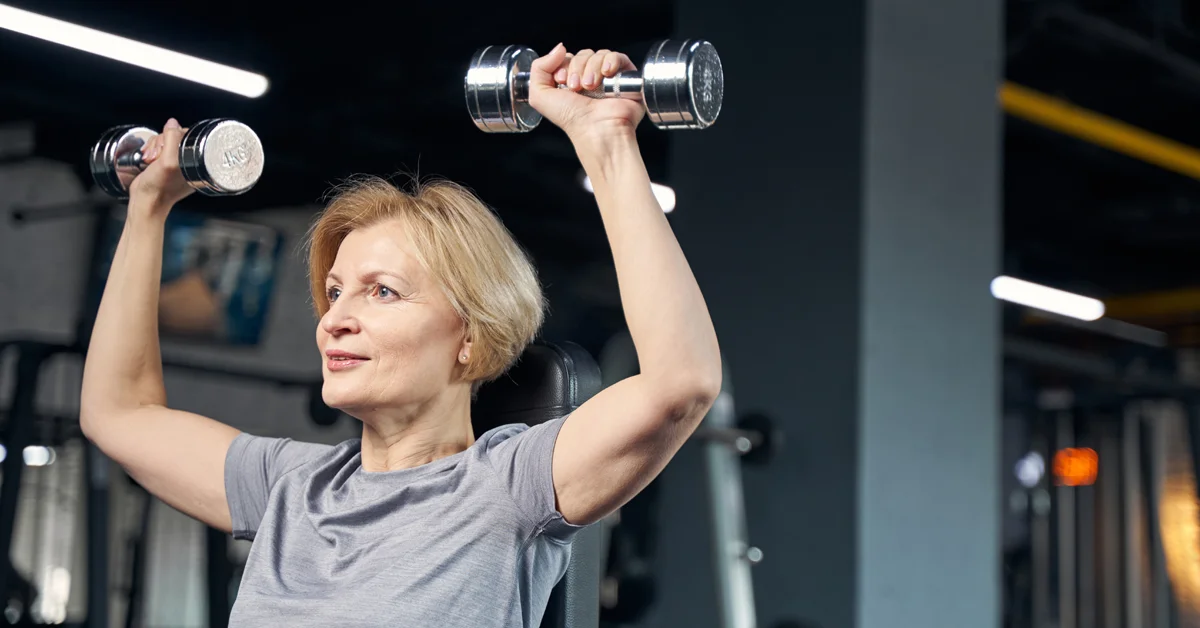
Strength training remains the gold standard for bone and muscle health. It stimulates bone‑building cells and helps maintain lean mass.
Aim for:
- 2–3 sessions per week
- Moderate to high intensity
- Exercises that load major muscle groups (squats, lunges, deadlifts, presses)
2. Weight‑Bearing Cardio Helps
Walking, hiking, dancing, and stair climbing all load the skeleton in beneficial ways.
3. Balance and Mobility Matter
Tai Chi, yoga, and Pilates may not directly increase bone density, but they reduce fall risk and improve movement quality.
4. Consistency Beats Perfection
The menopause transition is a marathon, not a sprint. Long‑term, sustainable exercise habits matter more than any single program.
The Bottom Line
Menopause is a pivotal time for musculoskeletal health. While research is still catching up, we already know that staying active—especially with strength training and weight‑bearing exercise—is one of the most powerful ways to protect your bones, muscles, and long‑term mobility.
If you’re navigating this transition, a physical therapist can help you build a safe, effective, and personalized exercise plan that supports your body through every stage.
Click Here to schedule an appointment with a physical therapist and discuss fitness and benefits of exercise for menopause.