
Youth Sports Specialization: What the Science Says About Building Healthy, High-Performing Athletes
Youth sports are more competitive than ever. Club sports seasons overlap. Showcases start younger. Strength and performance training is now common in middle school. With the Olympics in the spotlight this year, many young athletes are dreaming bigger — and starting earlier.
As a clinic that works with youth athletes every day, we believe ambition in youth sports is a good thing. Structured sports training is a good thing. Skill development is a good thing.
But the key question for parents and athletes is this:
When and how should young athletes specialize in sports?
Below, we break down what the science says about youth sports specialization, athlete development, injury risk, and long-term sports performance — including what it means for athletes with Olympic dreams.
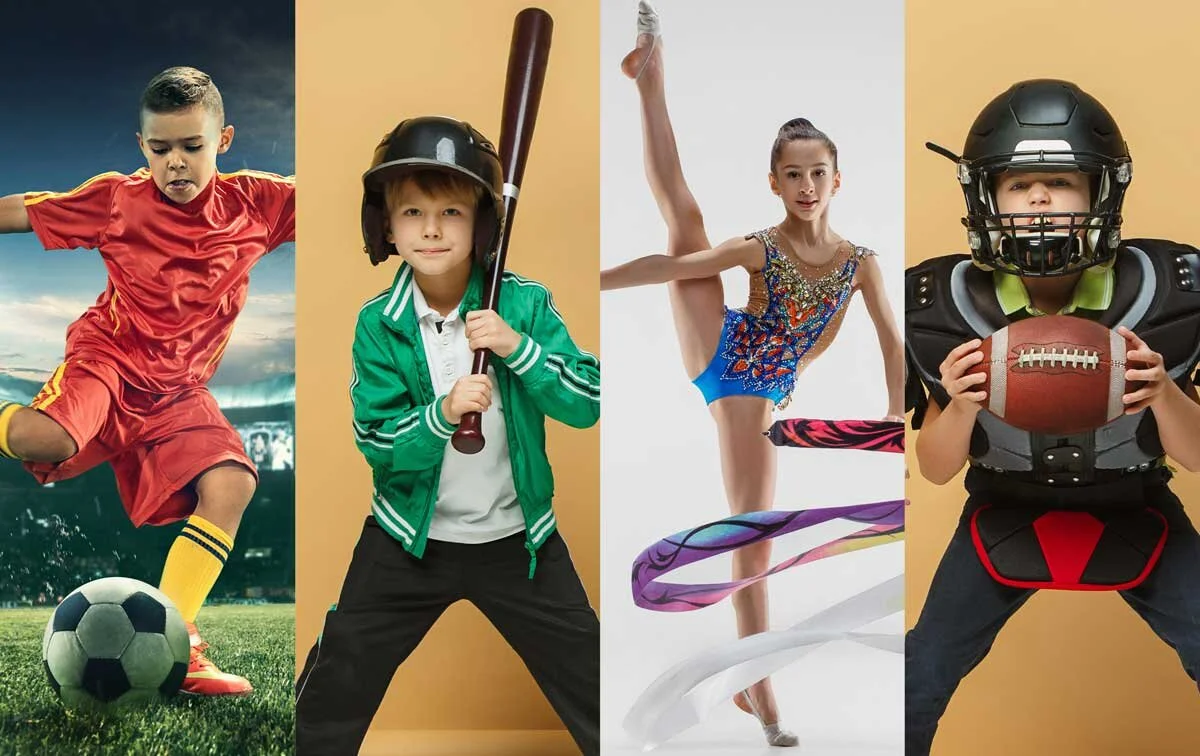
What Is Early Specialization in Youth Sports?
Early sports specialization typically means:
- Focusing on one sport year-round
- Dropping other youth sports at a young age
- Maintaining high training and competition volume before adolescence
The alternative approach in youth sports is often called diversification or sports sampling:
- Playing multiple sports
- Developing a wide range of athletic skills
- Narrowing sport focus later in adolescence
This conversation isn’t about whether young athletes should be committed. It’s about how to build athletes the right way — especially in competitive youth sports environments.
Does Early Sports Specialization Improve Athletic Performance?
This is one of the most common concerns among parents of youth athletes — especially in high-level club sports and pre-Olympic pathways.
What the Research Shows About Youth Athletes and Elite Performance
A 2020 systematic review published in the British Journal of Sports Medicine examined 22 studies on youth sports specialization and athletic performance. Key findings:
- Early specialization was not required to reach elite levels in most sports.
- Many elite athletes specialized around ages 14–15 — not in elementary school.
- Early-specialized youth athletes did not consistently outperform multisport athletes in objective performance testing.
A 2022 review in the Orthopaedic Journal of Sports Medicine focused specifically on professional and Olympic-level athletes. In 7 of 9 studies examining performance outcomes:
- Athletes who specialized later — or who played multiple sports — had equal or better long-term success.
- Early specialization was not necessary for reaching professional or Olympic status in most sports.
Some endurance sports showed potential benefit from earlier focused training, but for most team sports and field sports, early specialization was not a performance requirement.
For youth sports families watching the Olympics and wondering if specialization is the secret — the research says otherwise for most athletes.
Youth Sports Specialization and Injury Risk
If the performance data is nuanced, the injury data in youth sports is much clearer.
Across studies summarized in the 2022 Orthopaedic Journal of Sports Medicine review:
- Early-specialized athletes had higher overall injury rates.
- Single-sport athletes demonstrated increased overuse injuries.
- In professional baseball and basketball, early single-sport athletes had higher rates of certain major injuries.
The 2020 British Journal of Sports Medicine review also linked youth sports specialization to:
- Increased overuse injuries
- Higher cumulative training loads
- Greater burnout in youth athletes
As sports physical therapists, this mirrors what we see in clinic. Young athletes in year-round sports often present with:
- Growth-related pain
- Stress reactions
- Tendon irritation
- Recurrent joint injuries
Youth athletes are still growing. Growth plates are open. Rapid height changes alter mechanics. When sports participation is repetitive and year-round without structured recovery, injury risk increases.
The problem is not youth sports participation.
The problem is unmanaged, repetitive load without adequate recovery or variation.
Athletic Versatility: Why It Matters in Youth Sports (and Even the Olympics)
A 2025 paper published in Psychology of Sport & Exercise introduced a more detailed model of athlete development.
Researchers studied nearly 1,000 youth athletes across multiple sport types, including invasion sports, net sports, and endurance sports. They emphasized the importance of early athletic versatility — being a well-rounded mover.
Athletic versatility includes:
- Coordination
- Balance
- Agility
- Strength
- Broad motor skill development
In complex sports like soccer and tennis, early motor versatility was associated with later competitive success. In endurance sports, multisport participation was more strongly associated with long-term performance than early competition entry.
Many Olympic athletes across sports report playing multiple sports during childhood before narrowing their focus in adolescence.
The key takeaway for youth sports families:
A broad athletic foundation supports long-term performance — even at the Olympic level.
Youth Sports Training: What This Does Not Mean
There is an important distinction in this discussion about youth athletes and sports performance.
This research does not mean:
- Young athletes shouldn’t train hard.
- Private performance training is harmful.
- Youth sports strength training should be avoided.
- Ambitious athletes should delay development.
In fact, properly structured strength and performance training is one of the most protective tools available for youth athletes.
Research consistently shows supervised strength training in youth sports:
- Reduces injury risk
- Improves neuromuscular control
- Increases tissue capacity
- Enhances force production
- Supports long-term athletic performance
The issue in youth sports is not structured training.
The issue is early specialization without coordinated load management.
Smart Youth Sports Development vs. Early Specialization
Early specialization in sports means narrowing sport exposure too soon.
In that same vein, smart youth sports development means building athletic capacity before narrowing focus.
High-quality private sports performance training for youth athletes should:
- Build general strength before high-volume sport repetition
- Improve movement quality and biomechanics
- Address asymmetries common in youth sports
- Manage total sport + training workload
- Complement sports participation rather than overload it
When sports performance training is structured correctly, it protects young athletes and enhances performance.
That is very different from unmonitored, year-round single-sport participation.
What About Long-Term Athletic Success and Career Longevity?
The 2022 review in Orthopaedic Journal of Sports Medicine also examined career longevity in professional sports.
While findings were mixed, several studies showed:
- Multisport athletes played more total games.
- Some demonstrated lower major injury rates.
- Diversified athletes may have greater durability.
For youth athletes with long-term goals — including collegiate or Olympic aspirations — durability matters as much as early dominance.
Practical Recommendations for Youth Sports Families
Based on current research in youth sports specialization and athlete development:
1. Prioritize Athletic Development Early
In elementary and middle school, emphasize movement skill, coordination, and strength for young athletes.
2. Avoid Year-Round Competition Without Breaks
Even competitive youth sports require structured recovery periods.
3. Encourage Supervised Strength and Performance Training
Evidence-based training supports injury prevention and sports performance.
4. Monitor Total Workload
Total sports hours — including club sports, school sports, and private training — must be managed together.
5. Individualize the Pathway
Different sports — and different athletes — require different timelines. Olympic development models are not identical across sports.
External Research Sources
For families who want to review the research directly, you can access the full articles here:
Toward a Differentiated Model of Athlete Performance Development (DMAPD)
Impact of Youth Sports Specialization on Career and Task-Specific Athletic Performance
Our Approach to Youth Athletes and Sports Performance
Our philosophy in youth sports physical therapy and performance training is simple:
- Support ambitious athletes intelligently.
- Build strength early.
- Develop athletic versatility.
- Manage sports load carefully.
- Prioritize long-term athlete development over short-term results.
Additionally, youth sports should produce confident, durable athletes — not overuse injuries before high school.
Furthermore, with the Olympics inspiring the next generation of athletes, it’s more important than ever to remember:
Great athletes aren’t built by rushing the process.
They’re built by respecting it.
Ready to build a smart development plan for your athlete?