
If you are one of the millions of Americans suffering from chronic low back pain, you’ve likely looked into alternative therapies to find relief. Two of the most common questions we hear at Prolete Physical Therapy and Sports Medicine are: “What is the difference between dry needling and acupuncture?” and “Which one actually works for back pain?”
While both techniques use thin, sterile needles, they are rooted in very different philosophies and clinical goals. To help you make an informed decision, we’re diving into the latest clinical research and explaining how dry needling treatment is used in Milford, Connecticut.
The Main Difference: Philosophy vs. Physiology
Before looking at the data, it is important to distinguish the two:
- Acupuncture: Based on Traditional Chinese Medicine (TCM), acupuncture focuses on balancing the flow of energy (Qi) along meridians or pathways in the body.
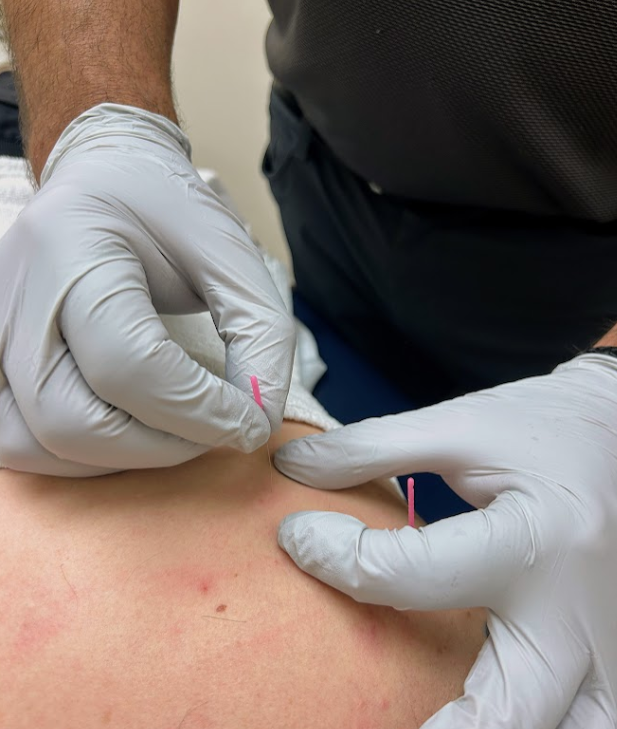
- Dry Needling: This is a modern, evidence-based intervention used by physical therapists. Dry needling focuses on the musculoskeletal and nervous systems, and penetrates the skin, subcutaneous tissues, and muscles using a thin needle. This puncture technique causes local muscle twitching, and a neurological input to the correlated nerve root, which relaxes the treated area.
What the Research Says
A recent study published in Scientific Reports and archived by the National Institutes of Health (NIH) provides compelling evidence for the use of dry needling in treating chronic low back pain.
In this prospective, randomized study (View the full research article here), researchers found that patients who received a specialized dry needling program experienced:
- Significant Pain Reduction: Patients reported a dramatic decrease in pain scores immediately after therapy, which remained significantly lower even three months later.
- Improved Function: Using the Oswestry Disability Index (a gold standard for measuring back-related disability), the dry needling group showed a major improvement in their ability to perform daily activities.
- Increased Mobility: The study noted a significant increase in the lower spine’s range of motion.
The research suggests that dry needling is not just a “quick fix” but a powerful tool for long-term functional recovery when integrated into a comprehensive physical therapy program.
Why Choose Dry Needling for Back Pain?
Dry needling is specifically designed to “reset” a muscle that has become stuck in a state of tension. When the needle is inserted into a trigger point, it often produces a “local twitch response.” This response helps:
- Inhibit pain signals to the brain.
- Improve local blood flow to help the tissue heal.
- Release the muscle knot that is pulling on your spine or irritating nearby nerves.
Expert Dry Needling in Milford, Connecticut
At Prolete Physical Therapy & Sports Medicine, we don’t just “poke and hope.” We utilize evidence-based techniques, including the “Five Regulatory Systems” approach mentioned in the research, to ensure we are treating the root cause of your pain.
Our team in Milford consists of highly trained Doctors of Physical Therapy who are specifically certified in dry needling.
Whether you are a “weekend warrior” or someone struggling with daily aches, our certified therapists use their extensive knowledge of anatomy and biomechanics to provide lasting relief.
Ready to find relief?
Don’t let back pain dictate your life. If you’re in the Milford or Woodbridge area, come see why so many patients trust the certified experts at Prolete.
Contact Prolete Physical Therapy today to schedule your Dry Needling assessment.