
Beyond Surgery: Why Physical Therapy is the New Standard for Endometriosis-Associated Pelvic Pain
For millions of women worldwide, endometriosis is more than a diagnosis; it is a life of navigating chronic pelvic pain (CPP), dyspareunia (painful intercourse), and dysmenorrhea. While laparoscopic surgery and hormonal therapy remain cornerstones of treatment, a groundbreaking 2025 systematic review published in Pain Medicine reveals a powerful, non-invasive ally in the fight against “endo” pain: Physical Therapy.
If you’ve been struggling with the “endo belly” or persistent pelvic floor tension, here is what the latest clinical research says about how Pelvic Floor Physical Therapy (PFPT) can transform your quality of life.
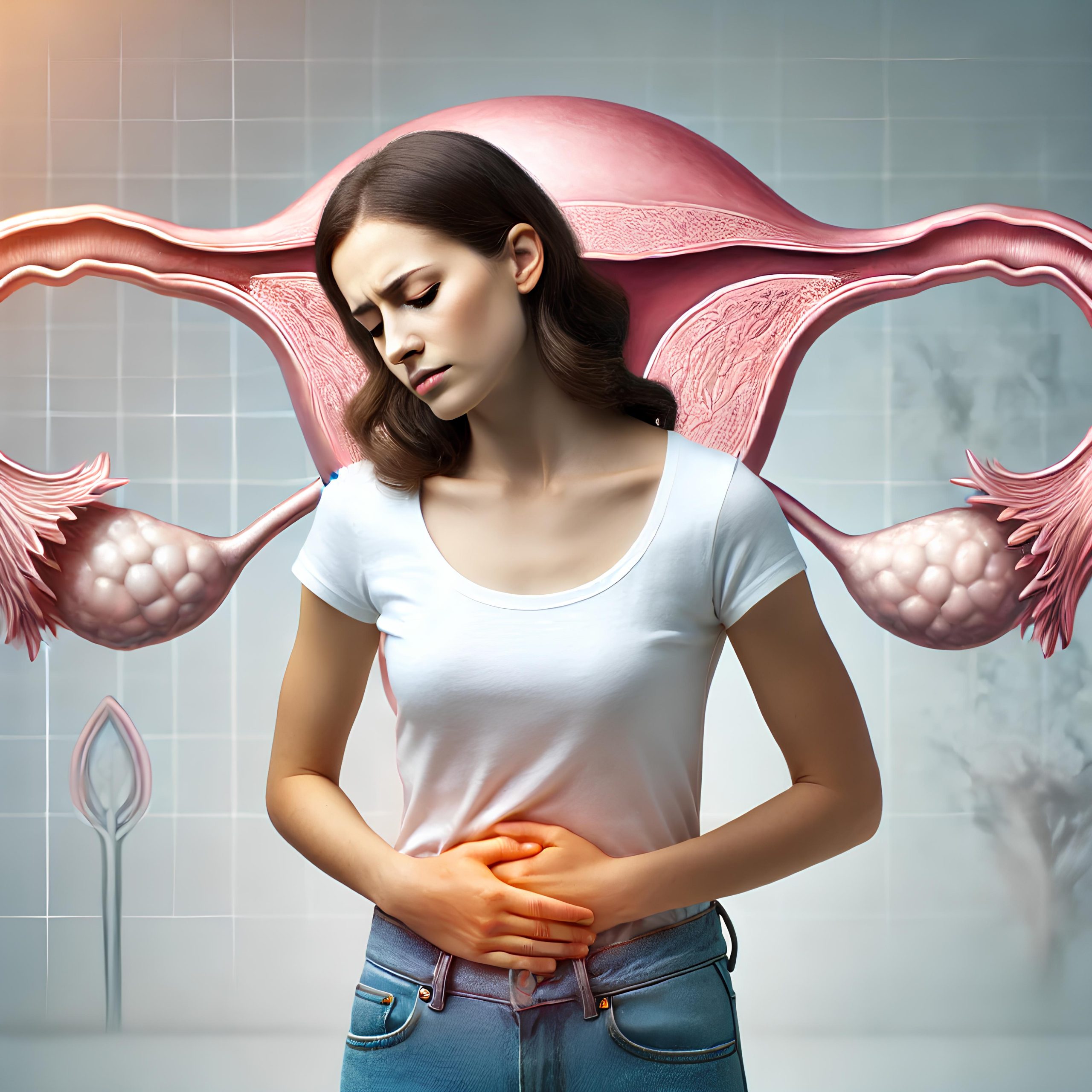
The Science: Does Physical Therapy Actually Work for Endometriosis?
The recent meta-analysis (Can et al., 2025) looked at the efficacy of physiotherapy techniques (PTs) specifically for Endometriosis-Associated Pelvic Pain (EAPP). The findings were definitive:
- Significant Pain Reduction: Physiotherapy techniques were found to be significantly more effective in reducing pain levels compared to non-physiotherapy controls.
- The “Local” Advantage: The research highlighted that locally applied techniques—those focusing directly on the pelvic floor and abdominal regions—resulted in greater pain reduction than generalized exercises.
- A Multi-Modal Edge: Modalities like electrotherapy and laser devices, when combined with manual therapy, showed the greatest reduction in pain scores.
Why the Pelvic Floor is the “Silent Responder” to Endometriosis
Endometriosis is an inflammatory condition. When endometrial-like tissue grows outside the uterus, it creates a cycle of inflammation, scarring, and adhesions. The body’s natural response to this internal irritation is to “guard,” leading to:
- Pelvic Floor Hypertonicity: The muscles of the pelvic floor become chronically tight (high-tone), which can cause pain even when the endo lesions themselves aren’t active.
- Myofascial Trigger Points: Tight bands of muscle in the abdomen and pelvis that refer pain to other areas.
- Central Sensitization: The nervous system becomes “over-taxed,” making the body more sensitive to pain signals.
Key Benefits of Pelvic Floor Therapy for Endometriosis
According to the 2025 research and clinical best practices, here is how a specialized physical therapist helps break the pain cycle:
1. Manual Therapy & “Local” Focus
As the study by Can et al. suggests, local application is key. PTs use internal and external manual therapy to release trigger points, improve tissue mobility around surgical scars (adhesions), and down-train a hyperactive pelvic floor.
2. Integrative Modalities
The meta-analysis found that physiotherapy modalities (such as TENS or specific laser therapies) are highly effective. These tools help modulate pain signals and reduce the localized inflammation that drives EAPP.
3. Nervous System Regulation
Endometriosis often keeps the body in a “fight or flight” state. Pelvic PTs incorporate diaphragmatic breathing and autonomic nervous system regulation to help the brain perceive less pain, addressing the “holistic management approach” recommended by current clinical guidelines.
Moving Toward Holistic Care
One of the most important takeaways from the research is that endometriosis requires a multidisciplinary approach. The study emphasizes that physiotherapy offers an anti-inflammatory and analgesic effect without the side effects often associated with long-term use of NSAIDs or opioids.
When to Seek Pelvic Floor Therapy?
If you experience any of the following, PFPT should be part of your care plan:
- Pain during or after intercourse.
- Persistent pain even after laparoscopic surgery.
- Bladder urgency or “endo-related” bowel dysfunction.
- Chronic lower back or hip pain that fluctuates with your cycle.
Final Thoughts
A 2025 meta-analysis in Pain Medicine confirms what many patients have known anecdotally: Physiotherapy is not just an “alternative”—it is a clinical necessity. By focusing on locally applied techniques and specialized modalities, patients can move beyond symptom management toward true functional recovery.
Are you ready to include physical therapy in your endometriosis toolkit? Contact our office today to discuss your symptoms with our specialized pelvic health providers.